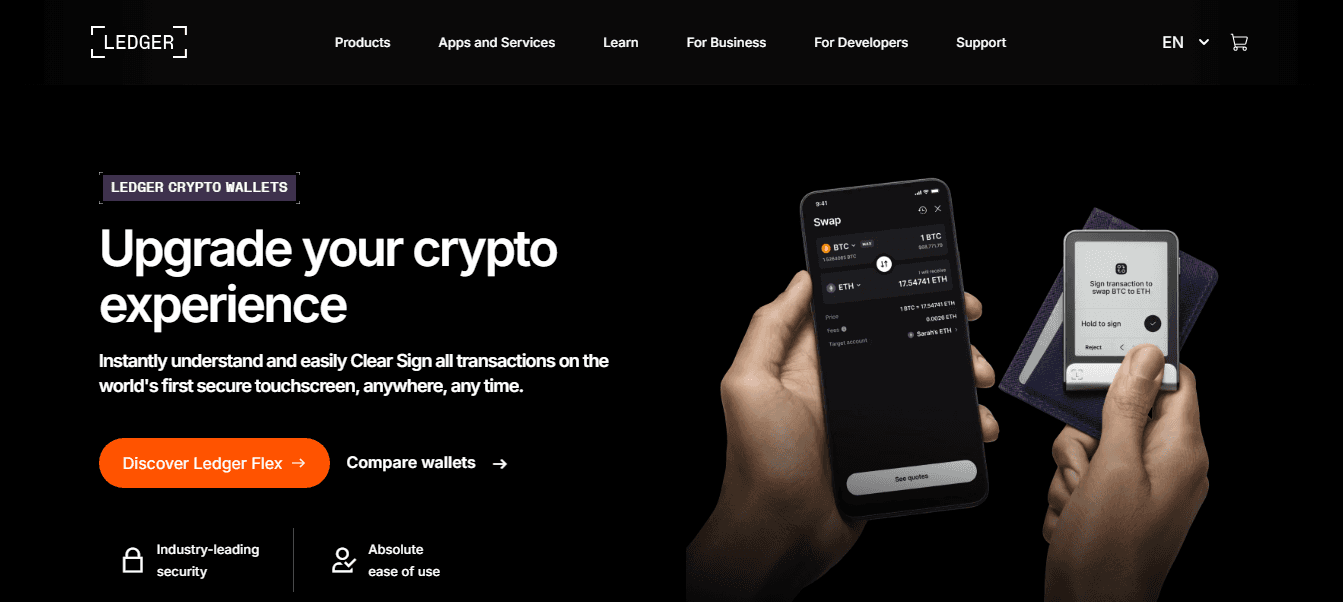
Introduction to Ledger Login
Ledger is one of the most trusted names in cryptocurrency hardware wallets, offering users a secure way to store digital assets offline. The Ledger Login process is the gateway to accessing your wallet, managing your crypto holdings, and performing transactions. Ensuring a smooth and secure login experience is critical to protecting your funds from unauthorized access.
Whether you are a beginner or an experienced crypto user, understanding how Ledger Login works, its security features, and the best practices can save you from potential risks. This guide will walk you through the complete process, tips for troubleshooting, and recommendations for maintaining the highest level of security.
What is Ledger Login?
Ledger Login is the authentication process that allows users to access their Ledger device and the associated Ledger Live application. Ledger Live is the companion software for Ledger hardware wallets, providing a user-friendly interface to view balances, send and receive cryptocurrency, and manage multiple accounts.
The login process ensures that only the rightful owner can access the crypto wallet. Ledger achieves this through a combination of hardware security, PIN codes, recovery phrases, and optional advanced authentication methods.
How to Access Ledger Login
Accessing Ledger Login involves two main components: your Ledger hardware device and the Ledger Live application. Here’s a step-by-step overview:
Install Ledger Live: Before logging in, download and install the Ledger Live application on your desktop or mobile device. It provides a secure interface for wallet management.
Connect Your Ledger Device: Use a USB cable or Bluetooth connection (depending on your Ledger model) to connect your device to your computer or mobile device.
Enter Your PIN Code: When prompted on your Ledger device, enter your personal PIN code. The PIN is set during the initial device setup and ensures that only you can unlock the hardware wallet.
Open Ledger Live: Once your device is connected and unlocked, open Ledger Live. The application will detect your hardware wallet and allow you to log in securely.
Access Your Accounts: After successful login, you can view your cryptocurrency balances, transaction history, and perform wallet operations.
Security Features of Ledger Login
Ledger places security at the core of its login process. Here are the key security mechanisms:
PIN Code Protection: Every Ledger device requires a PIN code to unlock it. This prevents unauthorized access even if someone physically obtains your device.
Recovery Phrase (Seed Phrase): During setup, Ledger generates a 24-word recovery phrase. This phrase is crucial for restoring your wallet if the device is lost or damaged. It must never be shared or stored digitally.
Secure Element Chip: Ledger devices use a Secure Element chip to store private keys. The keys never leave the device, providing an additional layer of protection.
Two-Factor Authentication (2FA): While Ledger Live itself doesn’t directly enforce 2FA, users can integrate 2FA for the accounts linked to their crypto, adding another security layer.
Device Verification: Ledger ensures that login sessions are initiated only with genuine devices, minimizing the risk of phishing attacks.
Troubleshooting Common Ledger Login Issues
Even with a secure system, users may occasionally face login problems. Here are common issues and solutions:
Device Not Recognized: If your Ledger device is not recognized, ensure the cable is working, the device is powered on, and you have the latest Ledger Live version.
PIN Code Errors: Entering the wrong PIN multiple times will reset your device. Always double-check the PIN. If the device resets, use your recovery phrase to restore access.
Ledger Live Not Connecting: Close and reopen the application, or restart your computer. Make sure your device firmware is updated.
Outdated Firmware: Ledger devices may require firmware updates to ensure compatibility and security. Always keep your firmware current.
Recovery Phrase Issues: Never enter your recovery phrase into a computer or online application. Use it only on your Ledger device to restore access.
Best Practices for Safe Ledger Login
Maintaining security during Ledger Login is critical for protecting your digital assets. Here are recommended best practices:
Keep Your Recovery Phrase Offline: Never store it digitally or online. Use a secure, physical medium like a safe or specialized recovery storage solution.
Regularly Update Firmware and Ledger Live: Updates include security patches that protect against vulnerabilities.
Avoid Public Wi-Fi During Transactions: Public networks can be insecure. Perform Ledger login and transactions on trusted networks.
Enable Device Passphrase: An additional optional passphrase adds an extra layer of security on top of your PIN.
Monitor for Phishing Attempts: Ledger will never ask for your recovery phrase or PIN via email or online. Be cautious of fake websites or messages.
Use Separate Devices for Sensitive Accounts: Consider using a dedicated computer or mobile device for Ledger transactions to minimize exposure to malware.
Advanced Ledger Login Features
Ledger also supports advanced features that enhance usability and security:
Multiple Accounts Management: Ledger Live allows users to manage multiple cryptocurrencies under different accounts while keeping the private keys secure on the device.
Crypto Swaps and Staking: Once logged in, users can participate in staking, swap assets, and interact with supported decentralized applications without compromising security.
Offline Verification: Some Ledger models support offline transaction verification, which ensures private keys never touch the internet.
The Importance of Secure Ledger Login
Accessing your Ledger wallet securely is not just about convenience; it’s about protecting real financial assets. A compromised login can lead to permanent loss of funds since blockchain transactions are irreversible. Understanding the security features, maintaining best practices, and staying aware of potential threats ensures that your cryptocurrency remains safe.
Ledger Login combines hardware security, software integrity, and user responsibility to provide one of the safest environments for managing digital assets. With proper care, users can confidently navigate the crypto space while keeping their investments secure.
Conclusion
Ledger Login is more than just entering a PIN; it is a secure gateway to your cryptocurrency world. By understanding the login process, following recommended security practices, and being aware of potential risks, users can safely manage their crypto assets.
Ledger provides robust tools to make crypto management both accessible and secure. Whether sending funds, checking balances, or interacting with decentralized applications, Ledger Login ensures that your private keys remain safe while offering a seamless user experience.
Proper knowledge, vigilance, and adherence to best practices transform Ledger Login from a simple access point into a strong fortress for your digital assets.