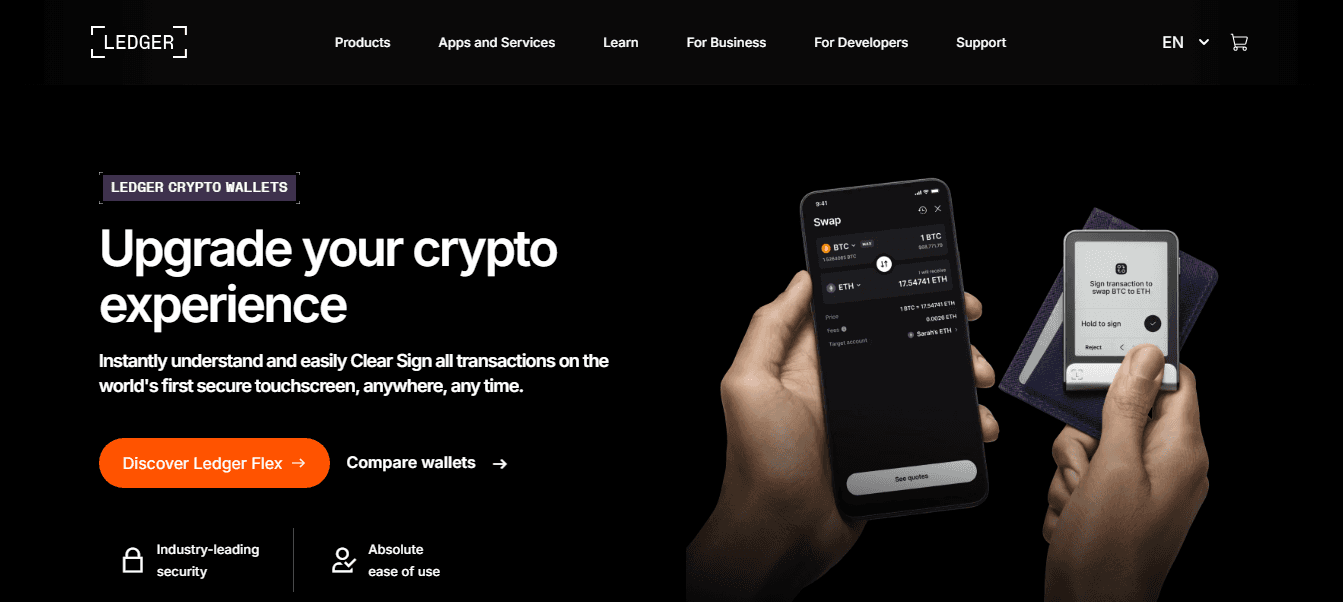
Introduction
Ledger is a leading name in cryptocurrency hardware wallets, providing a highly secure way to store digital assets offline. Ledger Login is the gateway to accessing your wallet, managing your cryptocurrency, and performing transactions safely. Understanding the login process is essential to prevent unauthorized access and protect your funds.
Whether you are new to crypto or an experienced user, this guide will explain how Ledger Login works, highlight key security measures, and provide troubleshooting tips to ensure a smooth experience.
What is Ledger Login?
Ledger Login is the authentication process that allows users to securely access their Ledger hardware wallet and the Ledger Live software. Ledger Live is the companion application for Ledger devices, providing a user-friendly interface to monitor balances, manage accounts, and execute transactions.
The login process ensures that only the wallet owner can access private keys and funds. Ledger achieves this through a combination of hardware security, PIN codes, recovery phrases, and optional advanced security features like passphrases.
Step-by-Step Ledger Login Process
Accessing your Ledger wallet requires both your hardware device and Ledger Live. Here is the step-by-step procedure:
Install Ledger Live: First, install the Ledger Live software on your computer or mobile device. Ledger Live is the central platform for managing your wallet and transactions.
Connect Your Ledger Device: Plug your Ledger device into your computer or connect it via Bluetooth if your model supports it.
Enter Your PIN Code: When prompted, input the PIN code you created during setup. This PIN is your first line of defense against unauthorized access.
Open Ledger Live: Launch the Ledger Live application. The software will detect your connected device and allow you to log in.
Access Your Accounts: After logging in, you can view account balances, transaction history, send and receive cryptocurrency, and manage multiple accounts securely.
Security Features of Ledger Login
Ledger Login incorporates multiple layers of security to protect users’ digital assets:
PIN Code Protection: Each device requires a PIN code to unlock it. Even if someone gains physical access to your Ledger, they cannot log in without the correct PIN.
Recovery Phrase: During setup, Ledger generates a 24-word recovery phrase. This phrase is essential for restoring your wallet if the device is lost or damaged. It must always be stored offline.
Secure Element Chip: Ledger devices store private keys in a secure chip. This ensures that sensitive information never leaves the device.
Optional Passphrase: Users can add an extra passphrase to create an additional security layer for their wallet.
Device Integrity Verification: Ledger devices authenticate themselves to ensure they are genuine, helping protect against tampered or counterfeit hardware.
Common Ledger Login Issues and Solutions
Even with a secure system, users may encounter problems during login. Here are common issues and how to resolve them:
Device Not Recognized: Ensure the USB cable is functional and the device is powered on. Confirm that Ledger Live is updated to the latest version.
PIN Code Errors: Entering the wrong PIN repeatedly will reset the device. Always double-check the code. If the device resets, restore it using your recovery phrase.
Ledger Live Connection Issues: Restart Ledger Live or your computer. Check that your device firmware is updated.
Firmware Outdated: Firmware updates include security improvements and bug fixes. Keep your Ledger device up to date.
Recovery Phrase Issues: Never input your recovery phrase on a computer or online application. Use it only on your Ledger device for wallet restoration.
Best Practices for Safe Ledger Login
To maximize security during Ledger Login, follow these best practices:
Store Recovery Phrase Offline: Keep it in a safe, physical location. Never store it digitally or online.
Regular Updates: Keep both your device firmware and Ledger Live software up to date.
Avoid Public Networks: Use trusted internet connections to reduce the risk of hacking.
Enable Passphrase Protection: Adds an extra layer of security on top of the PIN.
Stay Vigilant Against Phishing: Ledger will never ask for your PIN or recovery phrase via email or online platforms.
Use a Dedicated Device: Consider using a separate computer or phone for Ledger transactions to reduce exposure to malware.
Advanced Ledger Login Features
Ledger offers several advanced features for enhanced security and usability:
Multiple Account Management: Ledger Live supports multiple accounts, enabling users to manage different cryptocurrencies while keeping private keys secure.
Crypto Swaps and Staking: Logged-in users can stake supported cryptocurrencies or swap assets without exposing private keys.
Offline Transaction Verification: Some Ledger models allow offline transaction verification, ensuring private keys never connect to the internet.
Notifications and Alerts: Ledger Live provides real-time notifications for account activity, adding an extra layer of awareness.
Why Ledger Login Security Matters
The login process is critical because cryptocurrency transactions are irreversible. Unauthorized access to your wallet can result in permanent loss of funds. Understanding security features and following best practices helps protect your investments from hacking, phishing, and other cyber threats.
Ledger combines hardware security, software integrity, and user responsibility to provide one of the most secure login systems in the cryptocurrency space. With proper care, Ledger Login becomes a reliable gateway for managing digital assets safely.
Tips for a Smooth Ledger Login Experience
Keep the Device Charged: A low battery can interrupt the login process.
Regularly Check Recovery Phrase: Ensure your backup is intact and accessible.
Prefer Updated Devices: Older models may lack the latest security improvements.
Handle Devices Carefully: Physical security is as important as digital security.
Log Out After Use: Disconnect the device and close Ledger Live to minimize exposure.
Plan Ahead for Updates: Avoid logging in during firmware updates, as incomplete updates can cause issues.
Conclusion
Ledger Login is more than just entering a PIN—it is a gateway to securely managing cryptocurrency assets. With multiple layers of protection, including PINs, recovery phrases, secure chips, and optional passphrases, Ledger ensures that only authorized users can access funds.
By following the recommended security practices and staying vigilant, users can confidently manage crypto accounts, perform transactions, and take advantage of advanced features without compromising security. Ledger Login combines convenience and safety, making it a cornerstone of responsible cryptocurrency management.